
TMJ Treatment in Hicksville, NY
Your jaw joints work every time you talk, chew or yawn. When they aren’t working properly, the result can be lasting pain. Broadway Dental offers TMJ treatment in Hicksville for patients with chronic jaw pain.
Call to schedule a visit: (516) 681-2525
On this page: What TMJ is · Causes · Symptoms · Treatment · Common questions
What is TMJ?
TMJ stands for temporomandibular joint, the joint on each side of your face that connects your jaw to your skull. When people say they have TMJ, they usually mean a TMJ disorder, also called TMD: pain or trouble moving the jaw joint and the muscles around it.
What causes TMJ?
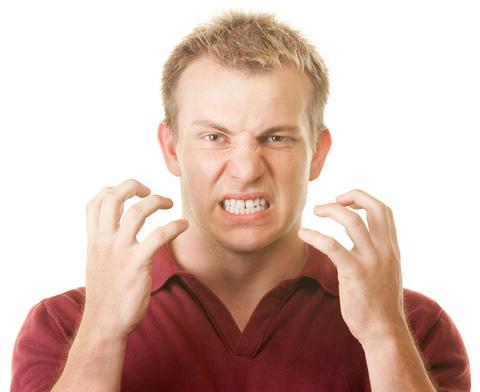
Common causes include grinding or clenching your teeth, an injury to the jaw, arthritis in the joint, and a bite that puts uneven strain on the jaw. Often more than one factor is involved, and stress can make it worse.
What are the symptoms of TMJ?
- Pain or tenderness in the jaw, face or around the ear
- Clicking or popping when you open your mouth
- A jaw that locks or is hard to open
- Headaches, especially in the morning
- Worn teeth from grinding or clenching
How we find the cause
We examine your jaw, bite and teeth and ask about your symptoms.
How is TMJ treated?
We treat TMJ problems here in our office. After your exam, we’ll explain what we found and recommend the treatment that fits your symptoms.
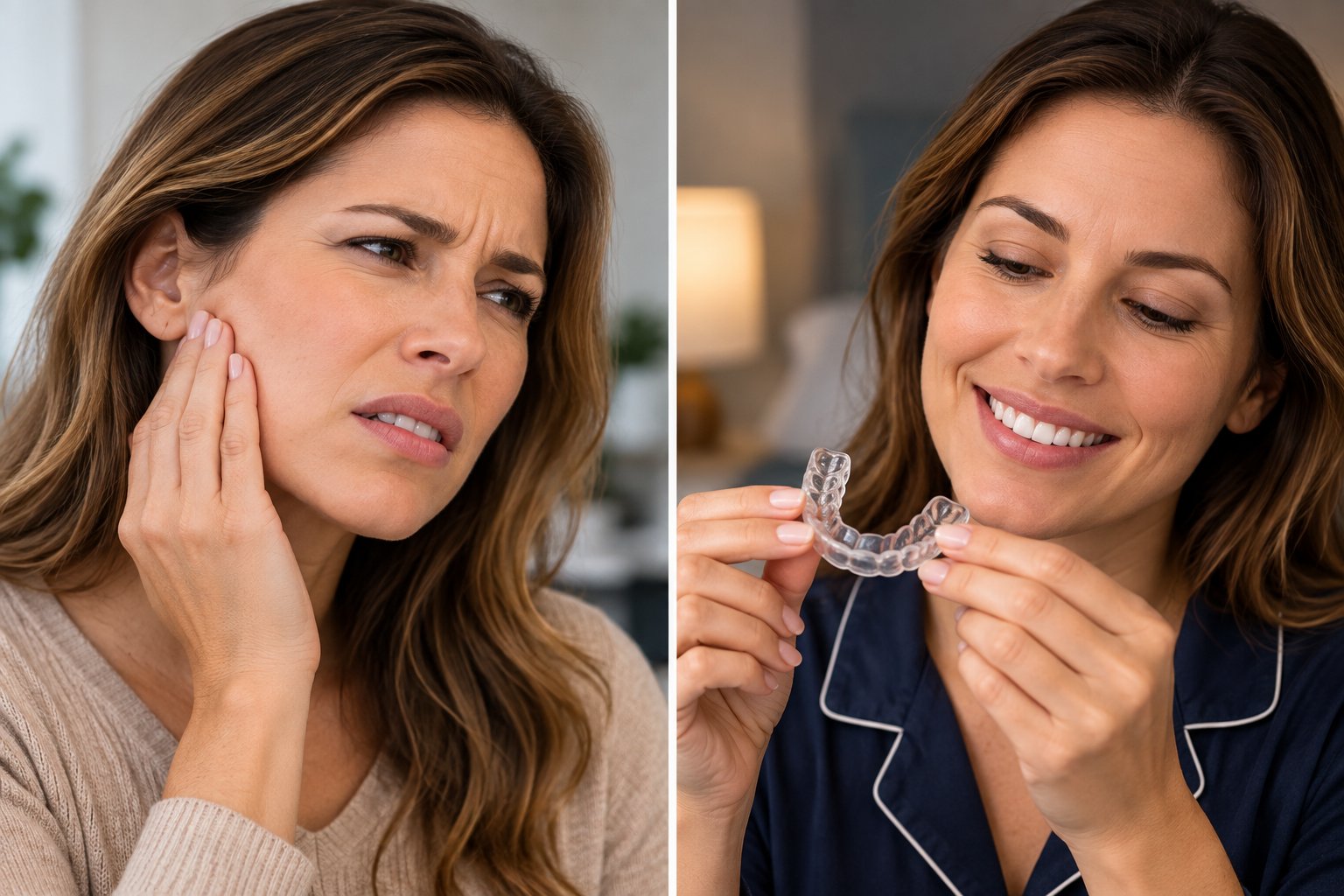
TMJ treatment at our Hicksville office
Broadway Dental is at 82 West John Street in Hicksville, directly across the street from the LIRR Hicksville train station, with free parking on site. Dr. Jeffrey Sender and Dr. Scott Russ have each practiced dentistry since 1991. Patients come from Hicksville, Levittown, Jericho, Bethpage, Westbury, Plainview and Syosset in Nassau County.
Call to schedule a visit: (516) 681-2525
Frequently asked questions
Who treats TMJ?
Dentists often diagnose and treat TMJ disorders, because the jaw joint, the bite and the teeth work together. We treat TMJ problems at our Hicksville office.
Can TMJ be cured?
Many people get lasting relief with treatment. What works depends on the cause, so the first step is an exam.
Will TMJ pain go away on its own?
Mild symptoms sometimes ease. Pain that lasts or keeps returning should be checked.
Is teeth grinding related?
Often, yes. Grinding and clenching put extra strain on the jaw joints.
What are the signs of teeth grinding or clenching?
A sore jaw or a dull headache when you wake up, teeth that look flat, short or chipped at the edges, teeth that have become sensitive, popping or clicking in the jaw joint, or a partner who hears grinding at night. Many people grind in their sleep and do not know until the damage shows.
What does teeth grinding do to your teeth and jaw?
Over time, grinding and clenching wear down enamel, crack teeth and fillings, make teeth sensitive and strain the jaw joint. Enamel does not grow back, so have your teeth checked before more is lost. Dr. Sender and Dr. Russ can see grinding wear at a routine exam.
Does Broadway Dental accept my insurance?
We accept most traditional PPO insurance plans towards payment, and we offer financing. Call us and we’ll go over your plan and your options before your visit.
Call now for insurance and financing details: (516) 681-2525