
Root Canals in Hicksville, NY
A root canal has a reputation it doesn’t deserve. The treatment removes the infection that’s causing your pain and saves a tooth that would otherwise be lost.
Call to schedule a visit: (516) 681-2525
On this page: What it is · How long it takes · Cost · Does it hurt · Signs you need one · Common questions
What is a root canal?
A root canal is a treatment that saves a tooth whose inner tissue, called the pulp, has become infected or damaged. The pulp holds the tooth’s nerves and blood vessels. During a root canal, the infected pulp is removed, the inside of the tooth is cleaned and sealed, and the tooth is restored, usually with a crown. It relieves the pain and keeps your natural tooth in place.

How long does a root canal take?
A tooth with a single canal usually takes less than an hour. Back teeth have more canals, from two to four, so they take longer and sometimes need a second visit. The crown that protects the tooth afterward is placed at a separate visit.
How much does a root canal cost?
The cost depends on which tooth is treated, since back teeth have more canals than front teeth, and on whether the tooth needs a crown afterward. We work with your insurance plan to help you get the most from your benefits. We’ll examine the tooth and give you an exact figure before any treatment begins.
Call now for root canal cost: (516) 681-2525
Does a root canal hurt?
The tooth is numbed with local anesthesia before treatment begins, and with the tooth numbed, most patients find it no worse than having a filling. A root canal removes the infection that is causing the pain, so most people feel relief afterward. Some soreness for a day or two is normal.
“Most recently, I needed a root canal, not exactly something anyone looks forward to, but Dr Russ and the team made the experience surprisingly easy and painless.”
★★★★★ David OToole, Google review
How do you know if you need a root canal?
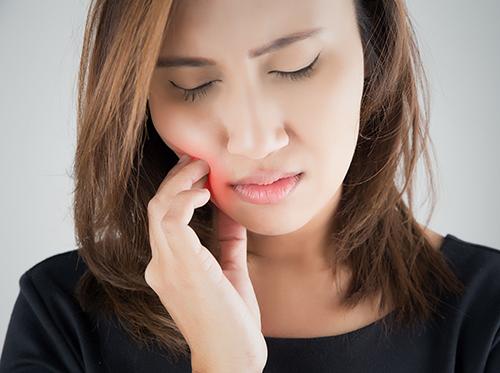
- A severe or throbbing toothache
- Lasting sensitivity to hot or cold
- A tooth that has darkened
- Swelling or a pimple on the gum near the tooth
Some infected teeth cause no pain at all, so only an exam and an X-ray can confirm it.
What happens during treatment
- The tooth is numbed.
- The infected tissue inside the tooth is removed.
- The inside is cleaned, shaped and sealed.
- The tooth is restored, usually with a crown.
Root Canal Treatment — Saving an Infected Tooth
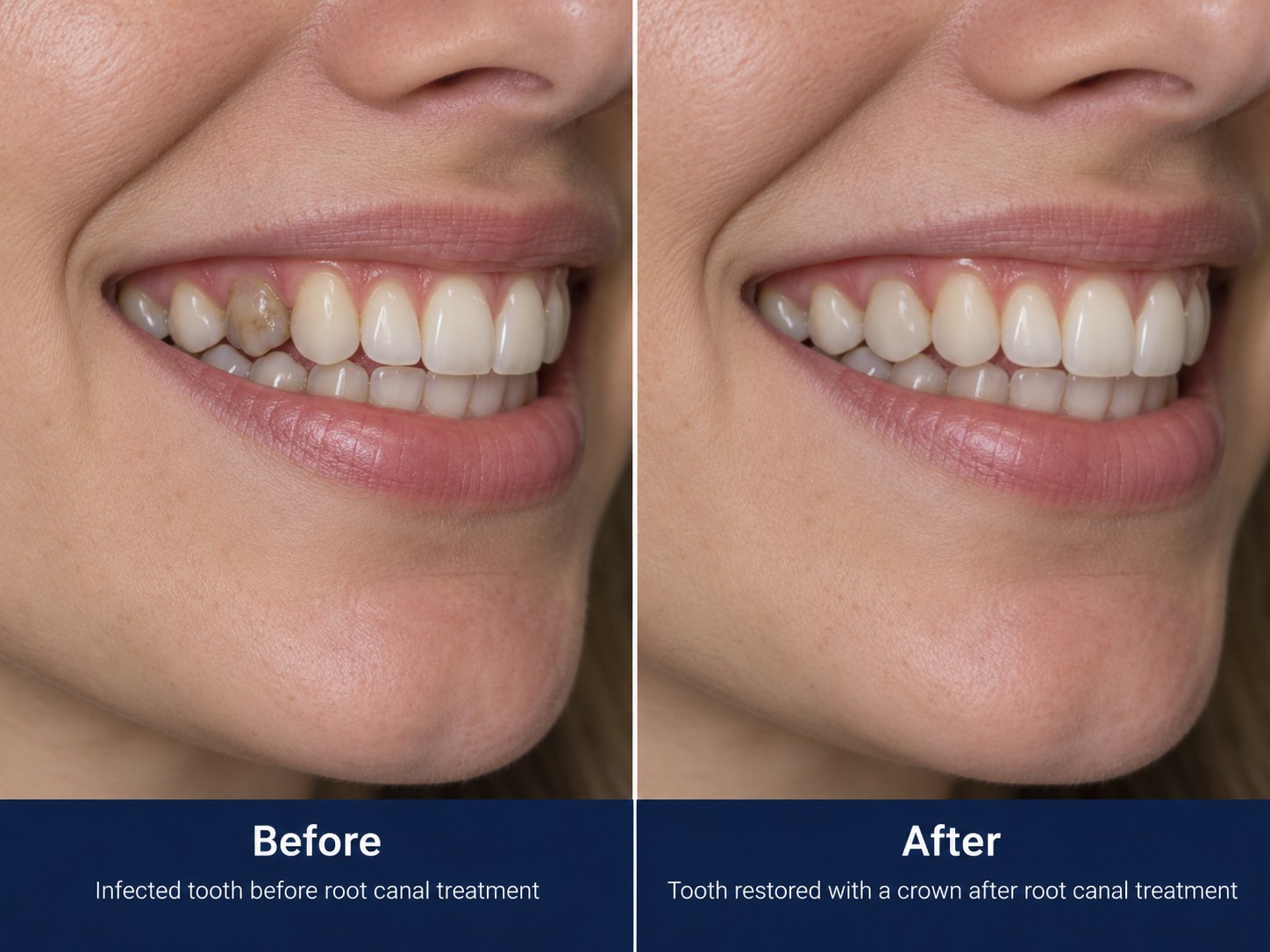
Root canal treatment is used to save an infected or badly damaged tooth rather than remove it.
Before: the tooth shows visible discoloration and structural damage consistent with a tooth that may have deep decay or infection extending into the pulp. At this stage, the tooth may be painful, sensitive, or at risk of further breakdown.
After: the infected tissue inside the tooth has been removed, the root canals have been cleaned and sealed, and the tooth has been restored with a crown to protect the remaining structure and return it to normal function.
Example image. Individual results vary.
Root canals at our Hicksville office
Broadway Dental is at 82 West John Street in Hicksville, directly across the street from the LIRR Hicksville train station, with free parking on site. Dr. Jeffrey Sender and Dr. Scott Russ have each practiced dentistry since 1991. Patients come from Hicksville, Levittown, Jericho, Bethpage, Westbury, Plainview and Syosset in Nassau County.
Call to schedule a visit: (516) 681-2525
What our patients say
“I have been a patient of Dr Scott Russ for more than 12 years. This is a full service practice, where I have had extensive and complicated work done over the years including several implants, root canals, and cosmetic dentistry. Everyone is professional and friendly, and they have always made me feel comfortable and happy with the results.”
★★★★★ Erin Maier, Google review
Frequently asked questions
Can you eat after a root canal?
Yes, once the numbness wears off, so you don’t bite your cheek or tongue. Choose soft foods and chew on the other side until the tooth has its permanent filling or crown. Avoid hard, sticky and very hot foods for the first few days.
How long does a root canal last?
With a crown and good home care, a tooth that has had a root canal can last many years. Without a crown, the tooth is more likely to crack, which shortens its life.
How can you avoid a root canal?
Brush twice a day, floss daily and keep up with your cleanings and exams. Have cavities filled while they are small, and have a cracked or chipped tooth looked at before bacteria can reach the inside of the tooth.
How do you stop throbbing pain after a root canal?
Some soreness for a few days is normal. Follow the aftercare instructions we give you, and avoid chewing on the tooth until it is fully restored. If the pain is severe, lasts more than a few days or comes with swelling, call us at (516) 681-2525.
Why is my root canal tooth hurting after years?
A tooth treated years ago can hurt again because of new decay, a crack, a crown or filling that has loosened, or a new infection at the root. It needs an exam and an X-ray to find the cause, and the tooth can often be treated again.
Can a root canal get infected?
It can, though it is uncommon. An infection can return if the crown is delayed, or if new decay or a crack lets bacteria back into the tooth. Pain, swelling or a pimple on the gum near the tooth are signs to call us.
Do you need a crown after a root canal?
Usually, yes, especially on back teeth. A tooth that has had a root canal is more brittle, and a crown protects it from breaking. Some front teeth need only a filling.
Is a root canal worth it?
In most cases, yes. A root canal keeps your natural tooth, protects your bite and avoids the need to replace the tooth. If a tooth can’t be saved, we’ll tell you and go over your options.
Do they put you to sleep for a root canal?
No. A root canal is done with local anesthesia, so you are awake and the tooth is numb. If you feel anxious about treatment, tell us and we’ll talk about ways to keep you comfortable.
What should I do after a root canal?
Wait until the numbness wears off before you eat, and avoid chewing on the tooth until it is fully restored. Keep brushing and flossing as usual, and come back for your crown or permanent filling so the tooth is protected. See our aftercare instructions for full details.
Does Broadway Dental accept my insurance?
We accept most traditional PPO insurance plans towards payment, and we offer financing. Call us and we’ll go over your plan and your options before your visit.
Call now for insurance and financing details: (516) 681-2525